

A patient notices unusual symptoms, opens their phone, and searches for answers. Within seconds, they find a clear explanation – without ever clicking on Clinic Websites. This is not an isolated behavior anymore; it reflects a major shift in how people access healthcare information. Patients are no longer browsing multiple pages or comparing providers in detail. Instead, they rely on instant answers, quick summaries, and AI-driven insights that satisfy their intent immediately.
In many cases, even when patients refine their queries or search again, they still don’t reach Clinic Websites. The journey is shorter, faster, and increasingly controlled by search engines and AI systems that deliver direct responses.
The Zero-Click Reality in Healthcare Search
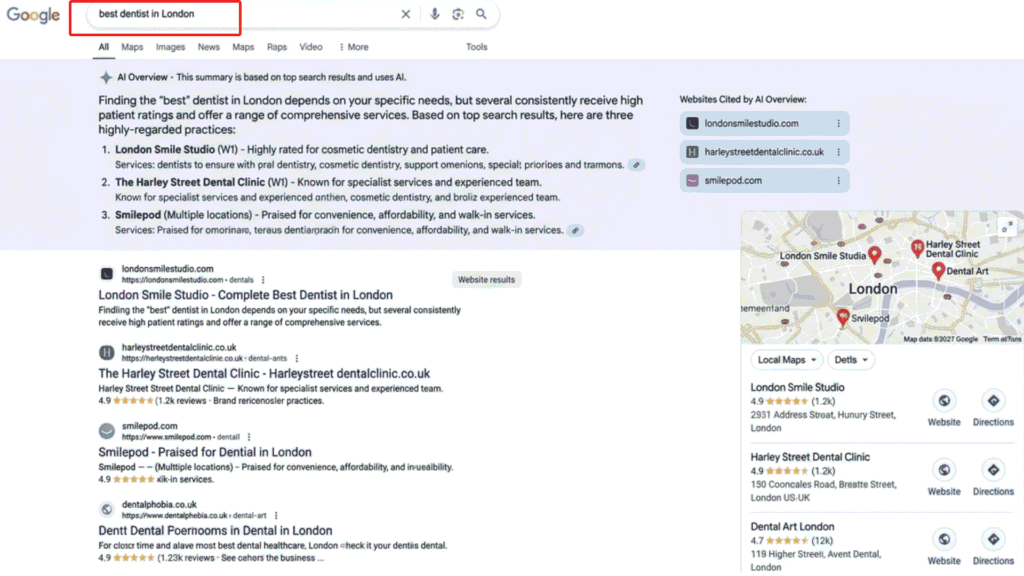
The concept of zero-click searches has transformed how digital healthcare visibility works. Patients now receive answers directly on search result pages through featured snippets, knowledge panels, and AI-generated summaries. As a result, the need to visit a website has significantly reduced.
This shift explains why such a high percentage of users get the information they need without leaving the search interface. It is not that patients are less interested in healthcare services; rather, they are finding what they need faster than ever before.
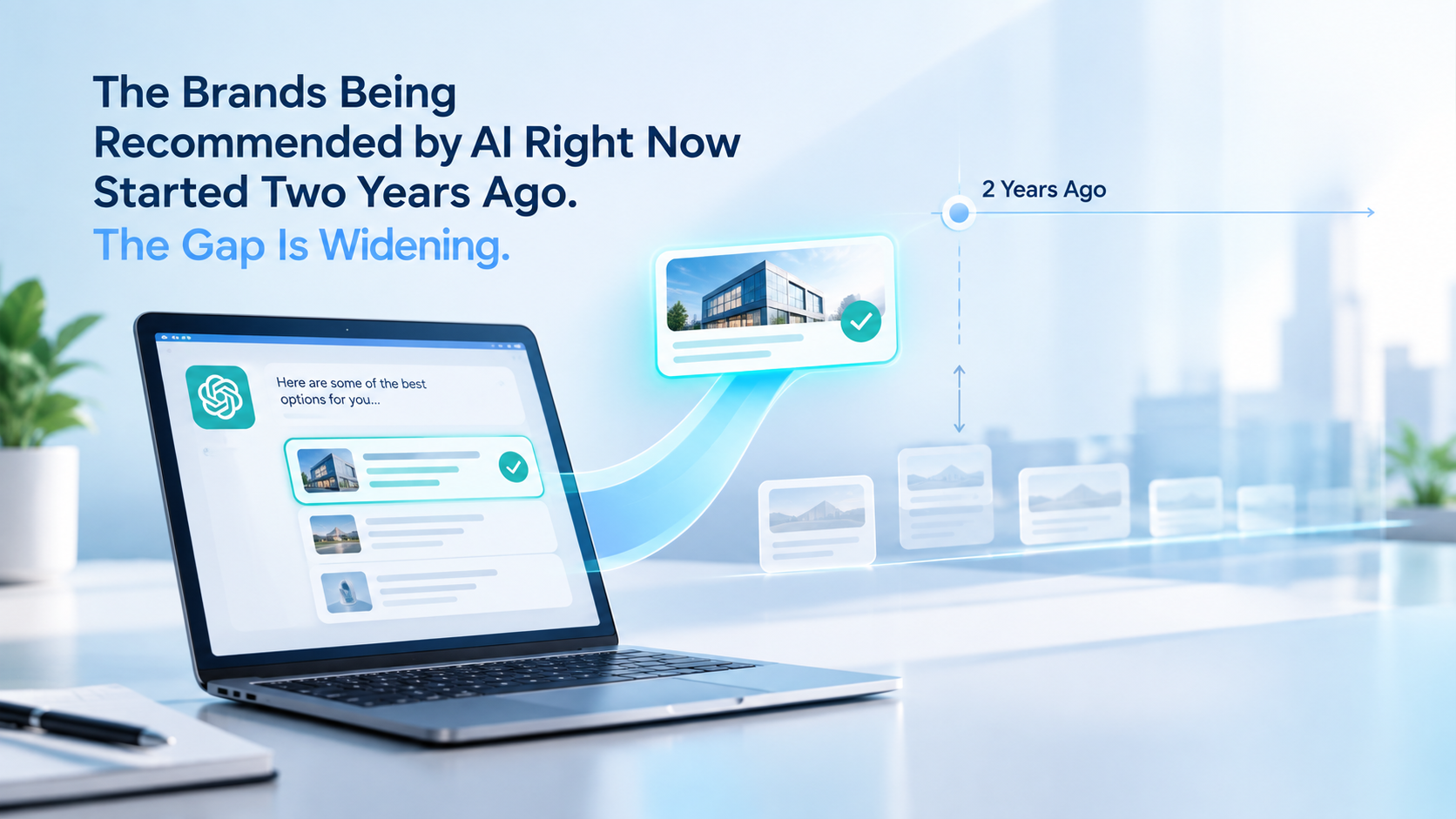
A major contributor to this change is how AI results taking patients away from traditional website traffic. Search engines are no longer just gateways – they are becoming the final destination for information.
How Voice Search Is Reshaping Patient Queries
The growing use of voice assistants has introduced a new way of searching. With Voice search growing, patients now ask complete questions instead of typing fragmented keywords. Queries have become more conversational and intent-driven.
For example, instead of searching “skin specialist,” a user might ask, “Who is the best dermatologist near me?” These queries are answered directly, often without requiring users to explore multiple links.
This shift requires healthcare providers to rethink how content is structured. Information must be clear, direct, and aligned with how people naturally speak and ask questions.
Trust & Credibility as Ranking Signals
In healthcare, information is not just consumed – it is evaluated. Patients want to be sure that what they are reading is accurate, reliable, and safe to follow. This makes Trust & credibility one of the most critical factors in modern SEO.
Search engines now prioritize content that demonstrates expertise and authority. Clinics that provide transparent information, showcase qualifications, and maintain consistent accuracy are more likely to appear in top results. Without these elements, even well-designed websites struggle to gain visibility.
The Growing Importance of Visual Communication
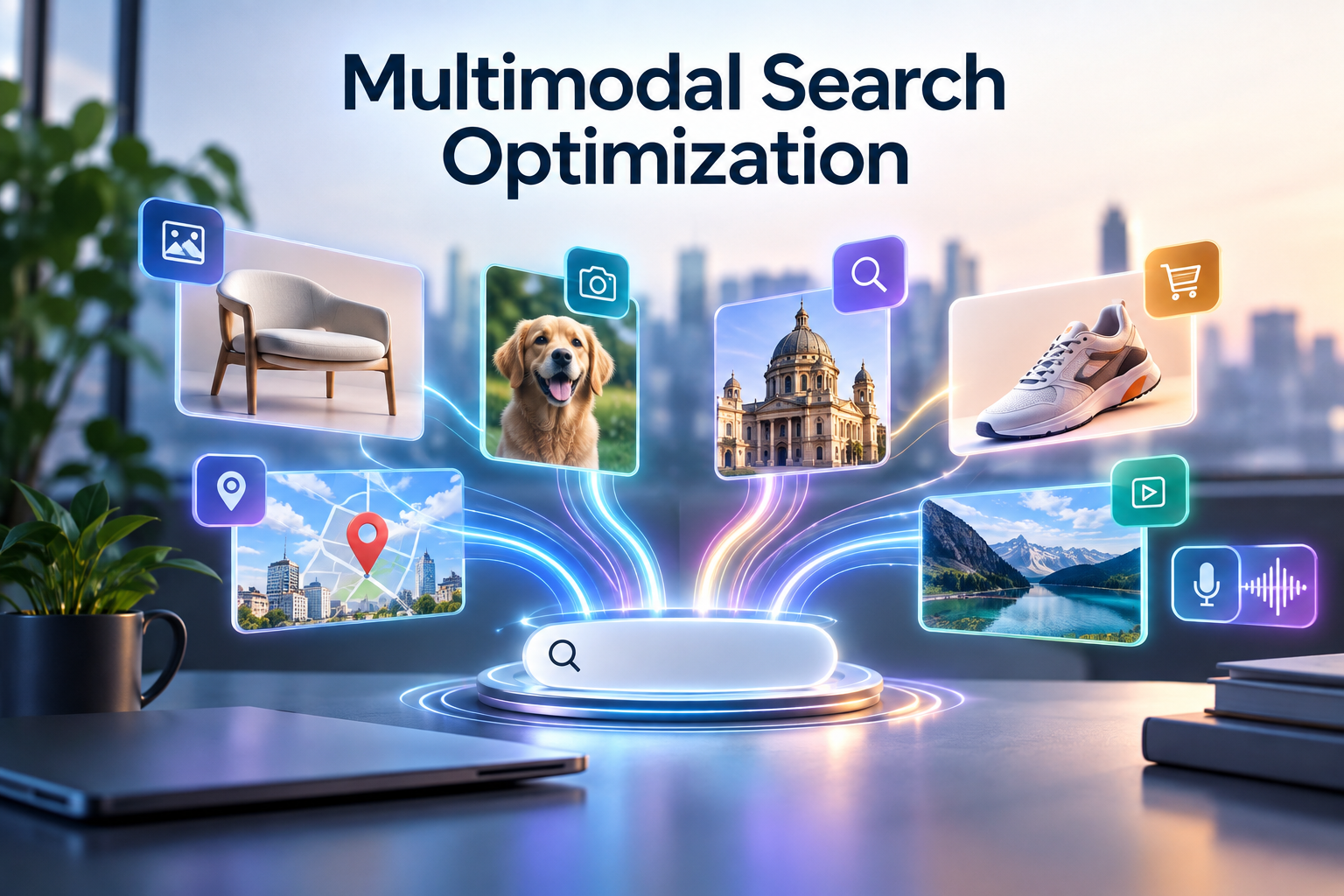
Patient expectations have evolved beyond text-heavy pages. Long paragraphs filled with complex terminology often lead to disengagement. Instead, Images & visuals are becoming essential for delivering information effectively.
Visual elements such as diagrams, explainer videos, and simplified graphics help patients understand medical topics quickly. They also improve engagement, making users more likely to trust and remember the information presented.
Healthcare providers who integrate visual communication into their content strategy are better positioned to meet modern user expectations.
Understanding 2026 Healthcare SEO
The future of digital healthcare visibility lies in adapting to 2026 Healthcare SEO principles. Traditional keyword-focused strategies are no longer sufficient. Instead, the focus has shifted toward user intent, structured data, and AI-friendly content.
Search engines now analyze how well content answers a query rather than how many keywords it contains. This means clinics must create content that is informative, structured, and easy for both users and AI systems to interpret.
The goal is not just to rank but to be selected as the best possible answer.
Mobile Experience and Speed as Decision Factors
Most healthcare searches now happen on mobile devices. Patients expect quick access to information, and any delay can lead to immediate drop-offs.
This makes Mobile & speed a crucial part of the patient experience. A slow-loading website or poor mobile interface can result in lost opportunities, regardless of the quality of care offered.
Optimizing performance is no longer a technical upgrade – it is a fundamental requirement for staying competitive.
Why Google Maps Visibility Matters More Than Websites
Local search behavior has changed significantly. Many patients now rely entirely on map listings rather than visiting websites.
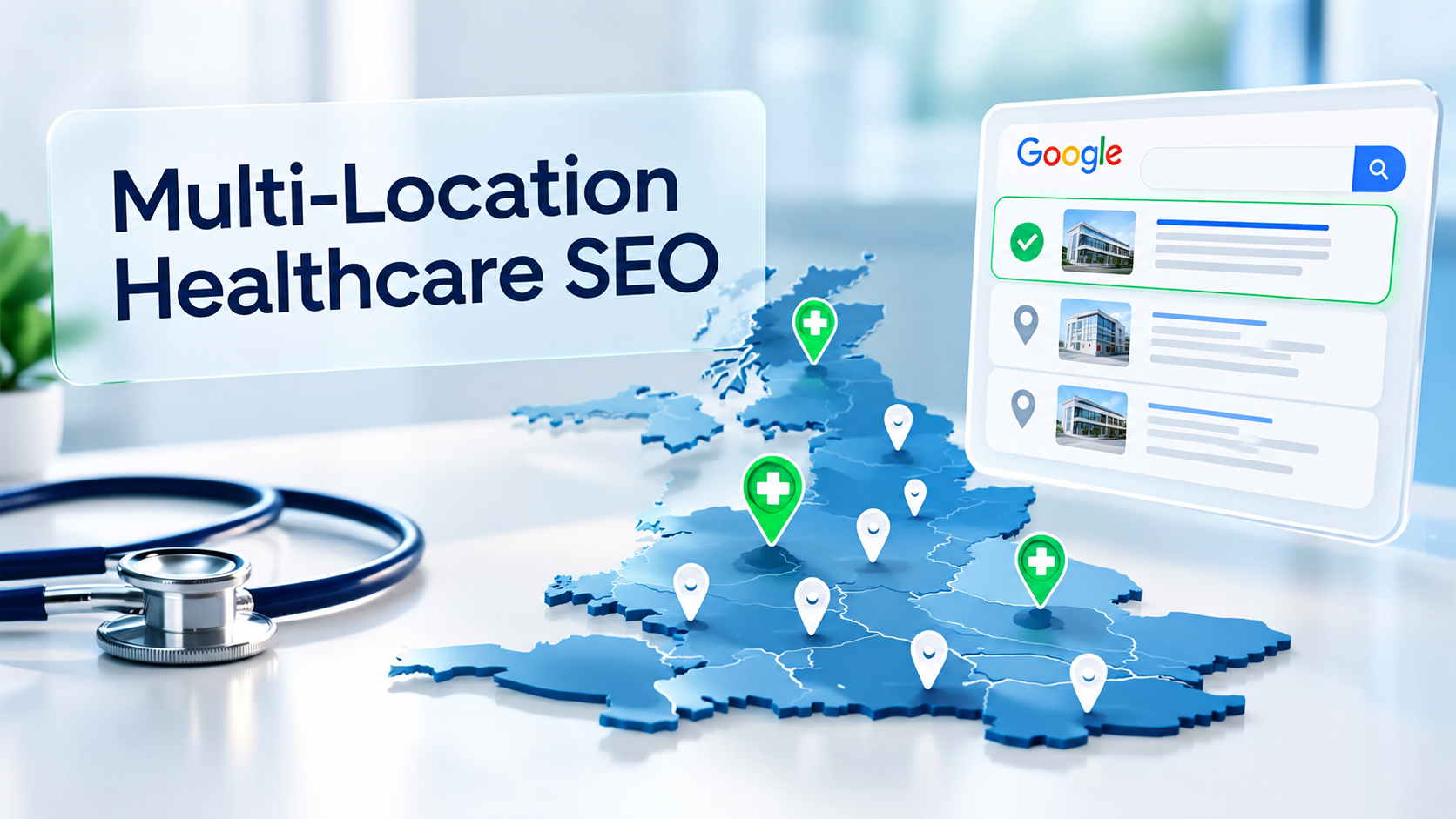
With strong Google Maps visibility, clinics can appear directly in front of potential patients at the moment of need. Reviews, ratings, and location details often influence decisions more than website content.
This means a clinic’s online presence is no longer limited to its website. Local optimization plays an equally important role in attracting patients.
Privacy & Trust in the Digital Healthcare Space
As patients interact with healthcare platforms, concerns around data security and privacy continue to grow. This makes Privacy & trust essential for building confidence and encouraging engagement.
Websites that clearly communicate how user data is handled and ensure secure browsing environments are more likely to retain patient trust. Transparency is no longer optional – it is expected.
The Role of Specialized SEO Support
Given the complexity of modern healthcare SEO, many providers are turning to specialized services. Whether working with a medical supplies seo company, a medical practice local seo company, or experienced healthcare seo agencies, expert guidance can help clinics navigate evolving search dynamics.
For those offering doctor seo services uk, targeting regions such as UK, London, Manchester, Birmingham, Nottingham, Edinburgh, and Leeds requires a localized and intent-driven approach. Each market has unique search behaviors, making tailored strategies essential for success.
Adapting to the New Patient Journey
The patient journey has fundamentally changed. It is no longer a process of exploration but one of instant decision-making. Information is consumed quickly, and choices are made based on what appears first and feels most trustworthy.
Instead of relying solely on Clinic Websites, patients now depend on AI summaries, voice responses, and local search results to guide their decisions. This shift requires healthcare providers to rethink their entire digital strategy – from content creation to user experience and local optimization.
Clinics that understand and adapt to this behavior will not only maintain visibility but also build stronger connections with patients in a rapidly evolving digital landscape.