

A clinic invests in high-quality treatments, captures impressive before-and-after results, uploads them to the website – and still sees no traffic. Weeks pass, then months, and those images remain invisible on search engines. Meanwhile, competitors with seemingly similar results dominate visibility and attract patients.
The uncomfortable truth is this: Photos Fail to Rank not because of quality, but because they are not aligned with how modern search works.
In today’s environment, Google evaluates far more than visuals. It looks at intent, trust, structure, and user experience. Without these elements, even the best medical images fail to surface where patients are actually searching.
Search Has Shifted from Images to Intelligence
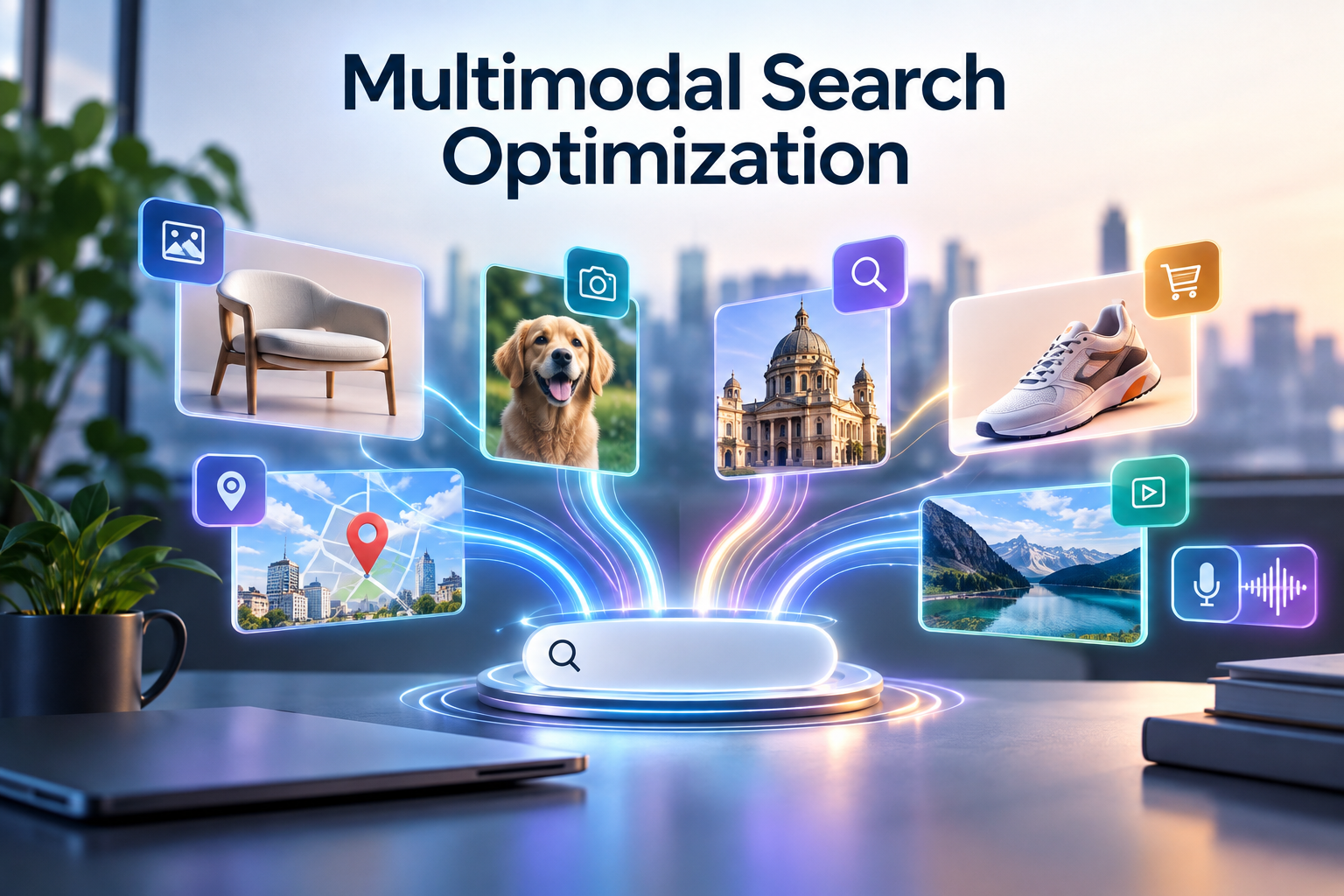
Search is no longer a simple keyword-to-image match system. It has evolved into an intent-driven ecosystem powered by AI. Patients now receive summarized answers, treatment overviews, and visual expectations directly within search results.
This shift means that your images are no longer competing only with other clinics. They are competing with AI-generated results, curated content panels, and zero-click experiences. As a result, Photos Fail to Rank when they are not embedded within meaningful, context-rich content.
AI Results Are Quietly Replacing Your Visibility
One of the biggest disruptions in healthcare search is the rise of AI-driven results. Patients searching for procedures often receive instant summaries, sometimes accompanied by curated visuals pulled from trusted sources.
If your images lack context, structured data, or relevance to user queries, they are simply excluded from these results. This is where many clinics lose potential patients without even realizing it.
Images must now be supported by clear explanations, aligned with real patient questions, and structured in a way that AI systems can interpret. Without this, your content never enters the decision-making journey.
Voice Search Is Changing How Patients Discover Results
Patients are increasingly speaking their queries rather than typing them. Searches are becoming more conversational and intent-focused. Instead of short keywords, users now ask complete questions about treatments and outcomes.
Before-and-after photos without supporting narrative fail in this environment. Search engines prioritize content that directly answers spoken queries. Images need surrounding explanations, FAQs, and natural language descriptions to be considered relevant.
This shift is subtle but powerful, and it is one of the hidden reasons medical visuals struggle to gain visibility.
Trust and Credibility Determine Whether You Rank
Healthcare content is held to the highest standards of credibility. Google evaluates whether your website demonstrates expertise, authority, and trustworthiness before ranking any content – especially medical visuals.
Before-and-after images that lack transparency often trigger trust concerns. If there is no mention of patient consent, no explanation of procedures, or no indication of realistic outcomes, search engines may deprioritize them.
This is why many clinics work with a medical seo consultant to align their content with trust signals that search engines recognize. It is no longer enough to show results; you must prove they are credible.
Modern SEO Requires More Than Just Uploading Images
The idea that images alone can rank is outdated. Today’s 2026 Healthcare SEO approach focuses on building a complete ecosystem around content.
Before-and-after photos must exist within a structured framework that includes optimized pages, internal linking, relevant content, and technical performance. Without this system, images remain isolated and invisible.
Clinics leveraging medical supplies seo services often succeed because they treat SEO as a comprehensive strategy rather than a single action.
Zero-Click Searches Are Reducing Website Traffic
Another major factor is the rise of zero-click searches. Patients often find what they need directly on the search results page without visiting any website.
This means your images must compete for visibility within Google’s interface itself. If they are not optimized for previews, structured results, or featured placements, they will not be seen at all.
This silent shift explains why many clinics experience declining traffic despite having strong visual content.
Mobile Performance Directly Impacts Rankings
Most healthcare searches now happen on mobile devices. If your website loads slowly or your images are not optimized for smaller screens, your rankings suffer.
Search engines prioritize fast, responsive, and user-friendly experiences. Large, uncompressed images or poorly structured galleries can significantly reduce visibility.
Professional seo services for medical practice often focus heavily on speed and mobile optimization because they are critical ranking factors.
Local Search and Maps Influence Image Visibility
Patient decisions are highly influenced by local search results. When users look for treatments, they are often presented with nearby clinics through map listings.
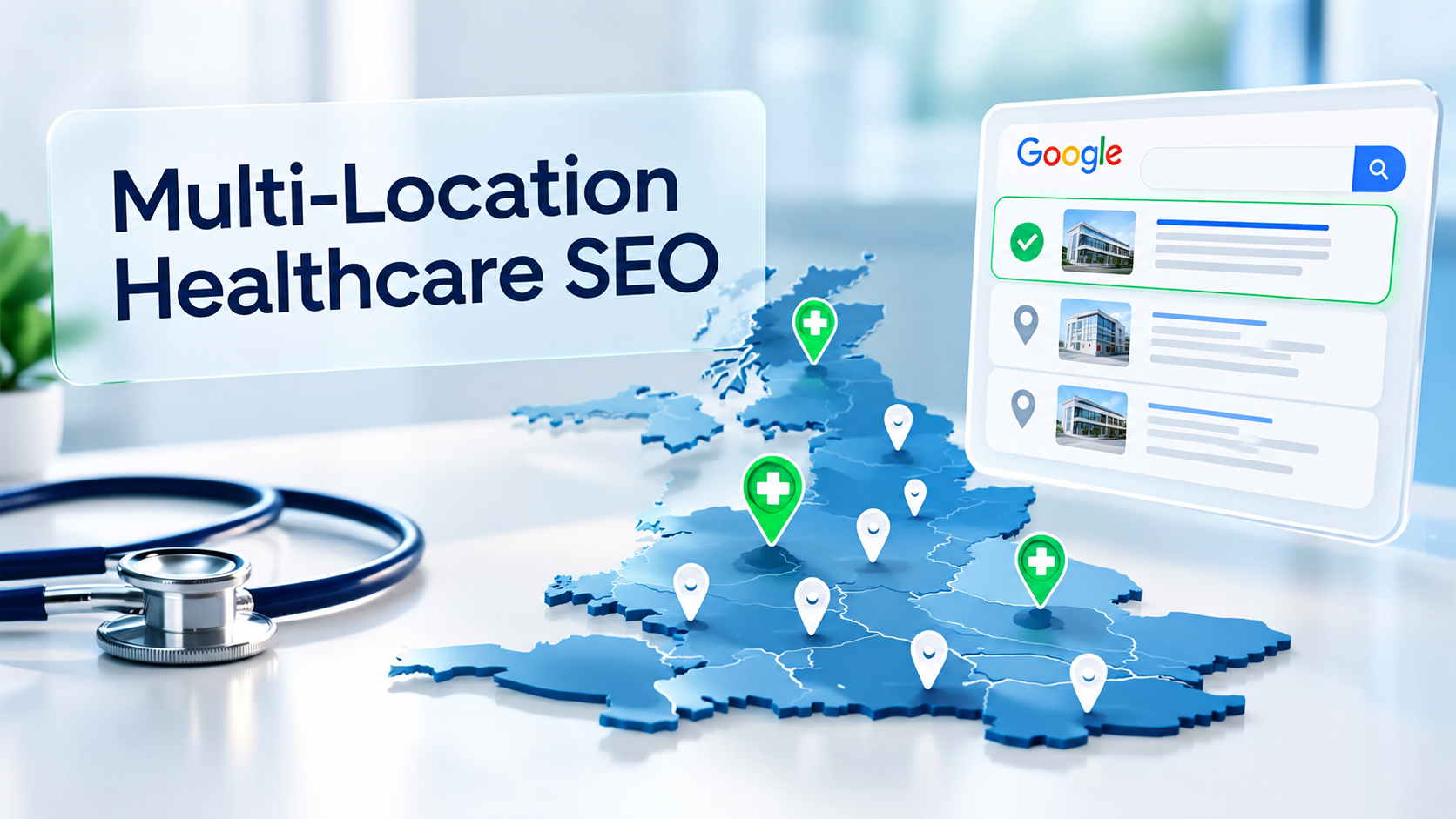
If your local SEO is weak, your images will not appear in these high-visibility areas. This is especially important in competitive regions such as the UK, including cities like London, Manchester, Birmingham, Nottingham, Edinburgh, and Leeds, where clinics compete aggressively for attention.
Strong local optimization ensures that your visuals are not just indexed, but actually discovered by nearby patients.
Privacy and Ethical Signals Are Now Ranking Factors
Medical content must meet strict privacy and ethical standards. Before-and-after images are particularly sensitive, and search engines evaluate whether they are used responsibly.
If your website does not clearly communicate patient consent, data protection, and ethical presentation, your content may be suppressed.
Privacy and transparency are no longer optional – they directly influence whether your content appears in search results.
Context Is the Missing Link
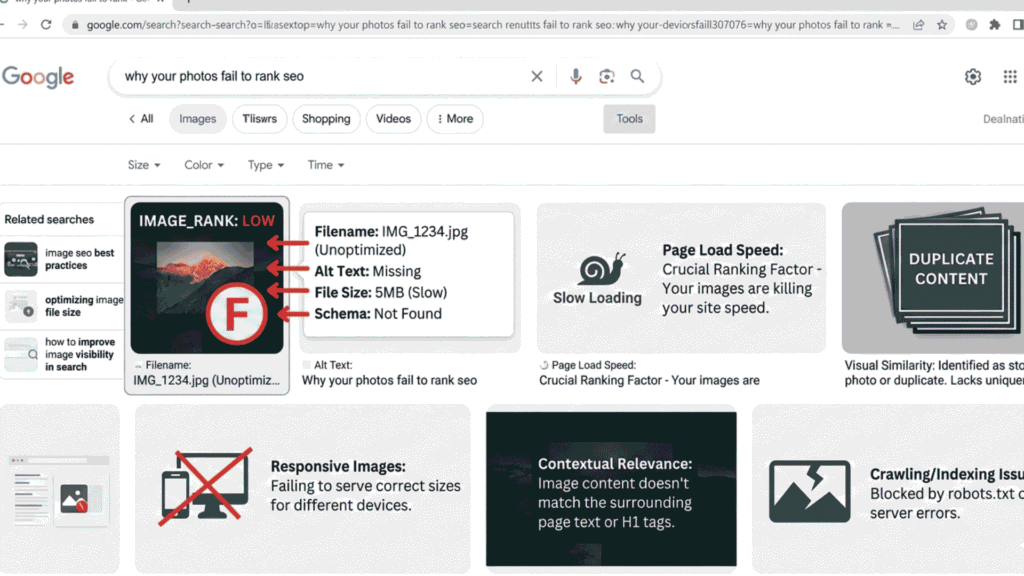
One of the most common mistakes is uploading images without meaningful context. Generic file names, missing alt text, and lack of descriptive captions prevent search engines from understanding what the image represents.
Without context, even the most compelling visuals become invisible. Search engines rely on surrounding information to determine relevance, and when that information is missing, rankings suffer.
Content Depth Drives Visibility
Patients don’t just want to see results – they want to understand them. They look for explanations, recovery timelines, risks, and expected outcomes.
When images are supported by detailed, informative content, they become far more valuable in search. This is where strategies like seo for doctors uk play a role, combining medical accuracy with search intent.
Content depth transforms images from static visuals into searchable assets.
The Path Forward: Turning Images into Ranking Assets
To succeed in modern search, before-and-after photos must be treated as part of a larger strategy. They need to be integrated into high-quality content, supported by technical optimization, and aligned with patient intent.
Clinics that adopt this approach gain visibility not just in traditional search results, but also in AI-driven summaries, voice search responses, and local listings.
Those that don’t will continue to struggle, regardless of how strong their results are.
Final Thoughts
The issue isn’t that your clinic lacks quality – it’s that your content isn’t aligned with how search works today. Visibility now depends on trust, structure, and relevance, not just visuals.
Until clinics adapt to this shift, Photos Fail to Rank will remain a persistent problem, limiting growth and preventing potential patients from ever seeing the results that truly matter.