

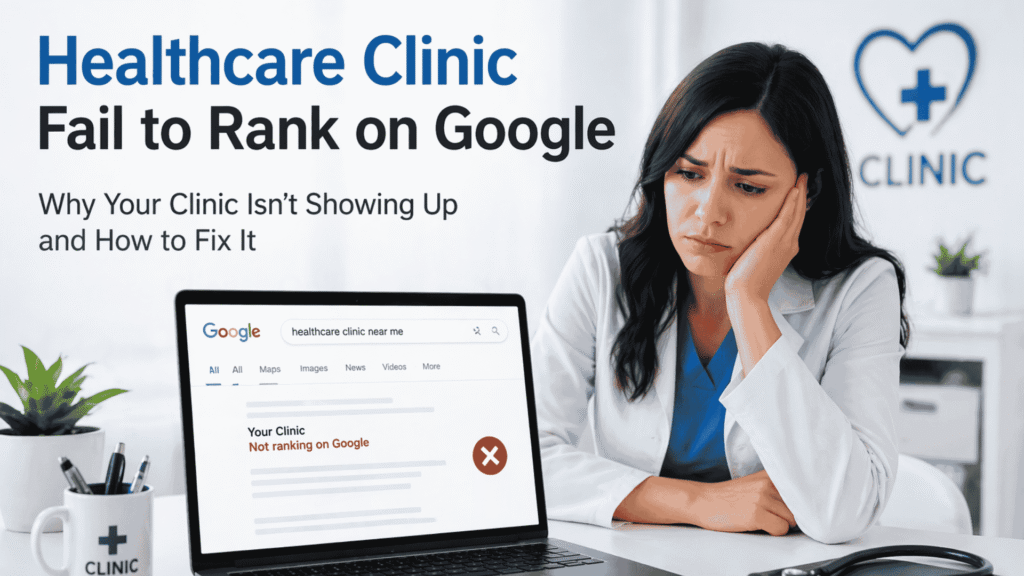
Patient searches online for symptoms, treatments, or a nearby clinic. Within seconds, they are shown AI-generated answers, map listings, and trusted sources – yet your website is nowhere to be found. This is the reality many healthcare businesses are facing today. Despite having services, content, and a functional website, they still Fail to Rank in search results.
This challenge is especially visible across the UK, including major cities like London, Manchester, Birmingham, Nottingham, Edinburgh, and Leeds, where competition among healthcare providers is rapidly increasing. The core issue is not just SEO – it is trust.
Why Trust Determines Search Visibility in Healthcare
Search engines treat healthcare content differently from other industries. Because medical information can directly impact a person’s well-being, platforms like Google apply strict quality standards. If your website lacks credibility, accuracy, or transparency, it is more likely to Fail to Rank, regardless of how much content you publish.
Trust in healthcare SEO is built through expertise, authority, and reliability. This includes clearly mentioning medical qualifications, citing accurate information, maintaining updated content, and ensuring your website reflects genuine patient-focused care. Without these elements, even well-designed websites struggle to perform.
AI Results Are Taking Patients Before They Reach You
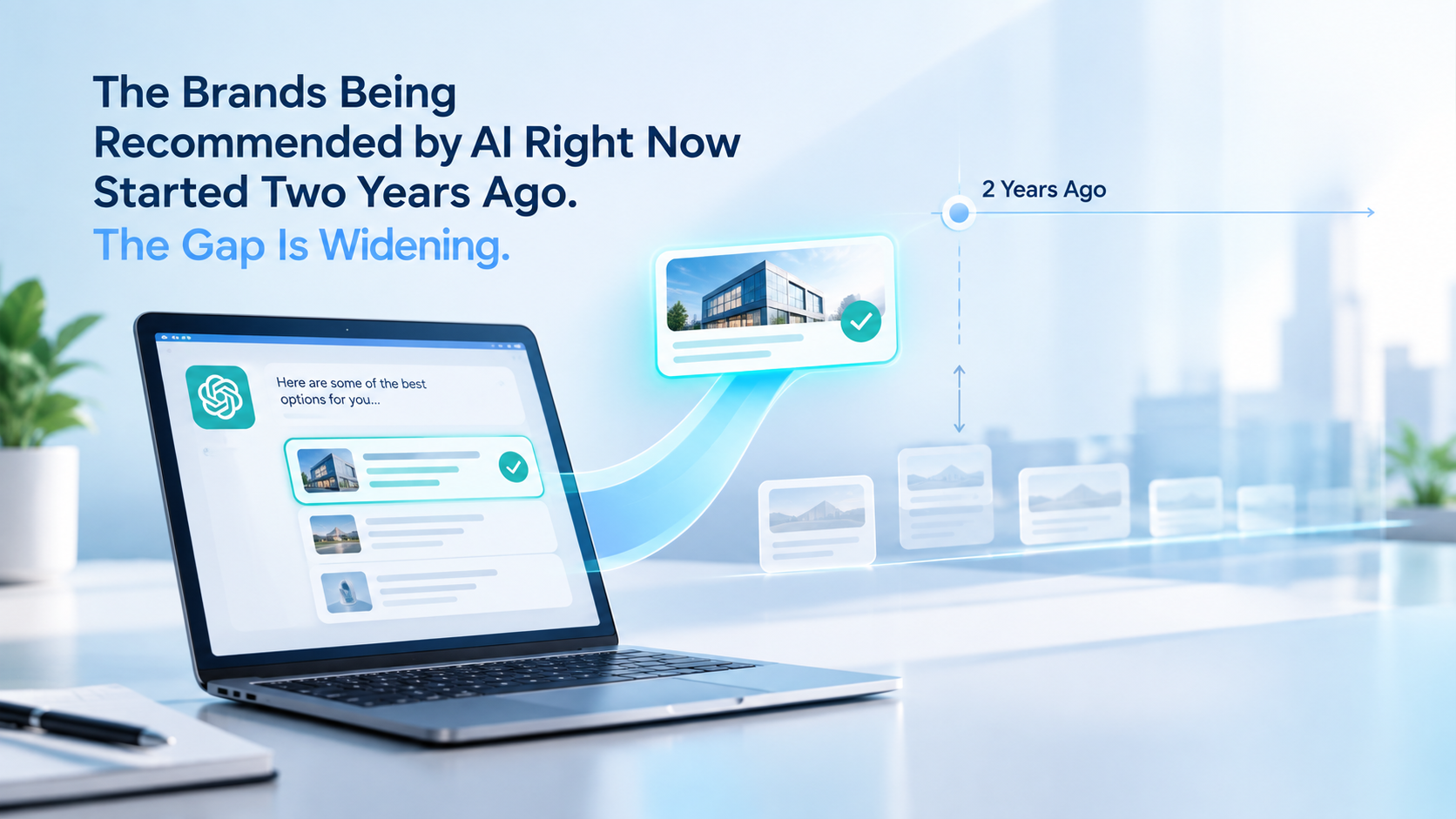
One of the biggest shifts in search behavior is the rise of AI-powered results. Patients now receive instant answers without needing to click on multiple websites. These AI systems prioritize trusted and authoritative sources, which means only a small percentage of websites gain visibility.
If your content is not structured properly or lacks credibility, it is unlikely to appear in these results. This is why working with medical seo experts has become increasingly important. They understand how to create content that aligns with AI-driven search patterns while maintaining medical accuracy and user intent.
The Rise of Voice Search in Healthcare
Voice search is no longer a future trend – it is already shaping how patients find information. Queries are becoming more conversational, and users expect immediate, precise answers.
Healthcare websites must now adapt by creating content that answers questions naturally and clearly. This approach is a key part of 2026 Healthcare SEO, where the focus shifts from keyword stuffing to meaningful, user-centric communication. Websites that fail to adapt to this change often lose visibility, even if they previously ranked well.
Zero-Click Searches Are Changing the Game
Another major reason healthcare websites lose traffic is the growth of zero-click searches. Patients often find answers directly on search result pages through featured snippets, AI summaries, or knowledge panels.
This means your website must do more than just rank – it must provide structured, high-quality information that search engines can extract and display. Without this, your content remains invisible, even if it is valuable.
Visual Content Builds Credibility and Engagement
Medical topics can be complex and difficult to understand. Websites that use clear visuals tend to perform better because they simplify information and improve user engagement.
High-quality images, diagrams, and educational graphics help patients understand conditions and treatments more effectively. They also signal professionalism and effort, which contributes to trust. However, these visuals must be relevant and original to have a real impact.
Mobile Experience and Speed Influence Trust
Most healthcare searches now happen on mobile devices. If a website loads slowly or is difficult to navigate, users are likely to leave within seconds. This behavior sends negative signals to search engines, affecting rankings.
A fast, responsive, and user-friendly website is no longer optional. It directly influences both user trust and search visibility. Websites that prioritize performance create a smoother experience, which increases engagement and improves ranking potential.
Google Maps Visibility Is Driving Patient Decisions
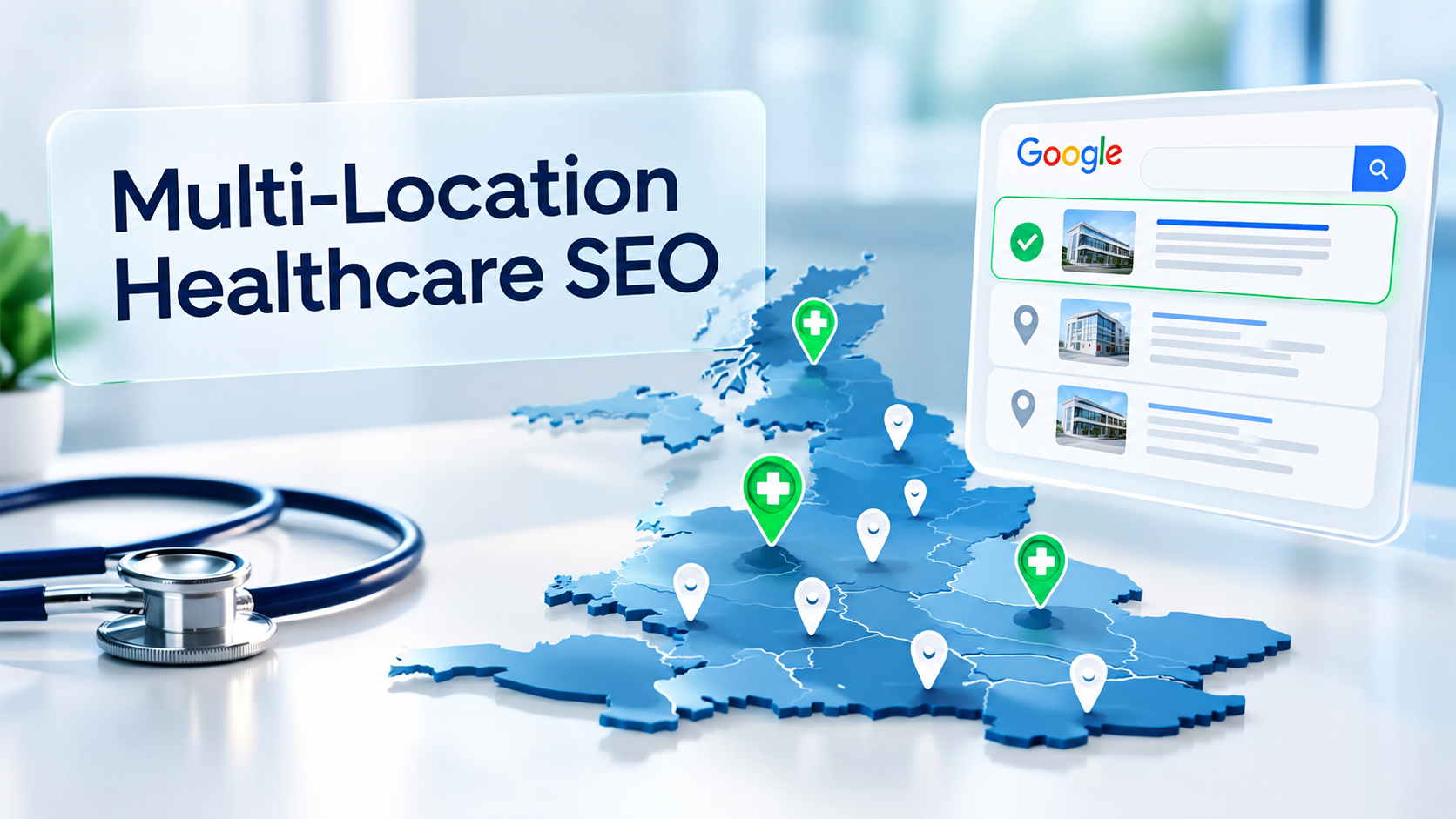
Local search has become a powerful factor in healthcare SEO. Many patients choose clinics directly from Google Maps listings without even visiting a website.
This makes local optimization essential. Accurate business details, consistent information, and positive patient reviews all contribute to visibility. Healthcare providers working with healthcare seo consultants often see improved results because they combine website optimization with strong local presence strategies.
Privacy and Transparency Are Non-Negotiable
Healthcare websites deal with sensitive information, which makes privacy and transparency critical. Patients want to feel confident that their data is secure and that the information they are reading is reliable.
Clear privacy policies, secure browsing (HTTPS), and transparent communication all play a role in building trust. These elements are not just important for users—they are also evaluated by search engines when determining rankings.
The Importance of Specialized SEO Expertise
Healthcare SEO requires a deep understanding of both digital marketing and medical standards. Generic SEO strategies often fail because they do not address the unique requirements of the healthcare industry.
This is why many businesses turn to medical supplies seo experts or hire a dedicated medical seo expert who understands compliance, accuracy, and user intent. These professionals ensure that content is not only optimized for search engines but also trustworthy for patients.
Building a Website That Performs in Modern Search
To succeed in today’s competitive environment, healthcare websites must focus on delivering real value. This includes creating informative content, demonstrating expertise, and maintaining a strong technical foundation.
A well-optimized website is one that answers patient questions clearly, loads quickly, works seamlessly on all devices, and reflects genuine authority. It is not about chasing rankings—it is about earning trust.
Conclusion
The reason why nearly 70% of healthcare websites struggle online is not a lack of effort, but a lack of trust signals. Search engines are prioritizing credibility, accuracy, and user experience more than ever before.
As search continues to evolve with AI, voice queries, and zero-click results, the gap between trusted and untrusted websites will only grow wider. Those who invest in expertise, transparency, and user-focused content will gain visibility, while others will continue to Fail to Rank and miss out on valuable patient opportunities.