

Have You Ever Seen Your Website Lose Patients Without Warning?
Have you ever noticed your healthcare website getting impressions but fewer calls, bookings, or appointment requests? Many clinics, hospitals, and private practices are facing a strange problem: patients are searching online, getting answers directly from AI-generated search results, and never visiting the actual healthcare provider’s website.
This shift is becoming a major challenge for UK Healthcare businesses that depend on organic traffic to attract patients. Google’s AI-powered search experiences are now changing how people discover medical information, compare providers, and make healthcare decisions. Instead of clicking through multiple websites, users are increasingly relying on AI-generated summaries that provide instant answers within the search results page itself.
For healthcare providers, this means traditional visibility strategies are no longer enough. Even websites with strong rankings may experience reduced traffic because patients are interacting with AI-generated content before reaching the provider’s website. The impact is especially noticeable for clinics offering informational services, symptom-based content, and local healthcare guidance.
Why Google AI Is Changing Patient Search Behaviour
Google’s AI systems are designed to answer questions quickly and efficiently. When someone searches for symptoms, treatments, or healthcare advice, the search engine now attempts to summarise information directly within the results page.
This creates a new search journey for patients. Instead of opening several websites to compare information, users often trust the AI-generated response and continue their decision-making process without clicking through. In many cases, patients only visit websites when they are ready to book an appointment or verify a provider’s credibility.
The problem is that many healthcare websites were originally built around informational search traffic. Blogs, FAQs, symptom pages, and treatment guides used to generate large volumes of visitors. Now, AI-generated search experiences are intercepting that traffic before users reach the provider.
As a result, healthcare organisations are experiencing:
- Lower organic click-through rates
- Reduced informational traffic
- Fewer first-time patient interactions
- Increased dependence on branded searches
- Higher competition for commercial healthcare keywords
This shift is forcing healthcare providers to rethink how they approach online visibility and patient acquisition.
The Growing Visibility Crisis for Healthcare Websites
Healthcare websites face unique challenges compared to other industries. Search engines evaluate medical content under strict quality and trust guidelines because health-related information directly affects people’s wellbeing.
When AI-generated search results pull information from multiple sources, smaller providers can lose visibility even if their content is accurate and professionally written. Large publishers, government health platforms, and authoritative medical directories often dominate AI-driven search responses.
For many clinics and private practices, this creates a difficult situation. They continue investing in website content, but the return on visibility gradually declines because users no longer need to click through to find basic answers.
This issue is becoming increasingly visible across the UK Healthcare sector, where competition between private clinics, dental practices, specialists, and healthcare networks continues to grow. Providers that once relied heavily on educational blog traffic are now seeing reduced engagement from informational searches.
How AI Search Results Influence Patient Trust
Patients often assume AI-generated summaries are fully accurate and unbiased. However, these summaries are created by combining information from different websites, which may remove important context about treatments, services, or provider expertise.
For healthcare businesses, this creates two major concerns:
Reduced Brand Recognition
If users receive answers directly from Google, they may never become familiar with the healthcare provider behind the information. This weakens long-term brand authority and patient loyalty.
Loss of Direct Patient Relationships
Healthcare providers traditionally build trust through informative content, patient education, and detailed service explanations. AI-generated summaries reduce opportunities for practices to communicate their expertise directly to potential patients.
The challenge is no longer simply ranking on search engines. Providers must now compete for visibility inside AI-driven search experiences themselves.
Why Healthcare SEO Strategies Must Evolve
Traditional SEO methods focused heavily on rankings and keyword visibility. While rankings still matter, modern healthcare marketing requires a broader strategy that prioritises authority, credibility, and user intent.
Search engines increasingly favour websites that demonstrate:
- Medical expertise
- Transparent authorship
- Accurate clinical information
- Strong user experience
- Local relevance
- Trustworthy patient resources
Healthcare providers that fail to adapt may continue losing visibility as AI-generated search results become more advanced.
This is why many organisations are now working with a healthcare search engine optimisation agency to strengthen their online authority and improve visibility beyond standard search rankings.
The Importance of Authoritative Medical Content
Healthcare content can no longer rely on generic optimisation tactics. AI-driven search systems prioritise high-quality information that demonstrates expertise and patient value.
Effective medical content should include:
Clear Treatment Explanations
Patients want straightforward explanations about procedures, symptoms, recovery expectations, and treatment options.
Real-World Patient Intent
Content should answer the actual questions patients ask before booking appointments.
Local Relevance
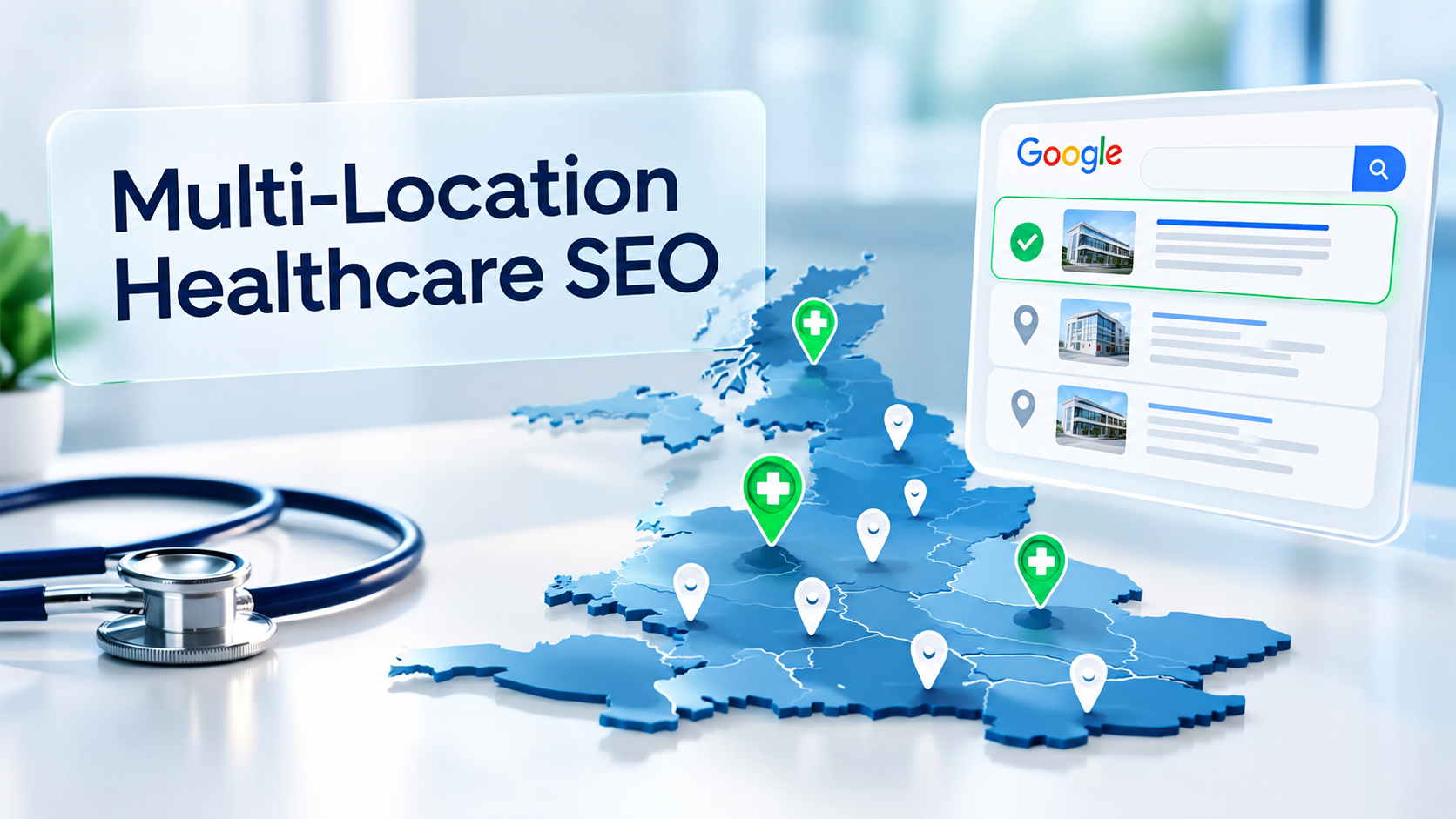
Healthcare searches often include location intent, especially for clinics and specialist services. Providers in cities like London and Birmingham face highly competitive digital markets where visibility directly affects patient acquisition.
Trust Signals
Professional credentials, patient reviews, updated information, and transparent service pages all contribute to stronger online trust.
Healthcare providers that invest in credible, patient-focused content are more likely to maintain visibility in AI-driven search environments.
Local Search Is Becoming More Competitive
AI-powered search results are also reshaping local healthcare discovery. Patients increasingly search for nearby providers using conversational queries rather than simple keywords.
Instead of searching “private dentist,” users may ask:
- “Who is the best dental clinic near me for emergency treatment?”
- “Which healthcare provider has fast appointment availability?”
- “Where can I find trusted specialists locally?”
Google’s AI attempts to interpret intent and deliver direct recommendations. This means healthcare websites must optimise not only for keywords but also for context, trust, and user behaviour.
Providers that fail to establish strong local authority may struggle to appear in these evolving search experiences.
How Healthcare Providers Can Protect Their Online Visibility
Healthcare organisations cannot fully prevent AI-generated search features from changing user behaviour. However, they can adapt their digital strategies to remain competitive.
Focus on Experience-Based Content
Generic articles are easier for AI systems to summarise. Unique insights, expert commentary, case studies, and patient-focused resources are harder to replicate.
Strengthen Local Authority
Healthcare providers should optimise local profiles, service pages, and geographically relevant content to improve regional visibility.
Improve Technical Performance
Fast-loading websites, mobile usability, structured data, and secure browsing experiences all contribute to stronger search visibility.
Build Brand Recognition
Patients are more likely to search directly for recognised providers. Strong branding reduces dependence on purely informational traffic.
Invest in Strategic SEO Support
Many clinics are now partnering with a medical seo consultant to adapt their digital strategies for AI-driven search environments and changing patient behaviour.
Why Informational Traffic Alone Is No Longer Enough
For years, healthcare websites focused heavily on attracting large volumes of visitors through informational content. While educational resources remain important, traffic alone no longer guarantees patient conversions.
Healthcare providers must now prioritise:
- High-intent search visibility
- Conversion-focused content
- Appointment-driven pages
- Local patient engagement
- Brand credibility
This transition requires a more strategic approach to digital marketing. Some organisations are also expanding specialised optimisation strategies through services such as medical supplies seo services to improve visibility across niche healthcare sectors.
At the same time, practices looking to remain competitive online are increasingly exploring affordable healthcare seo services that balance authority-building, patient acquisition, and long-term search visibility.
The Future of AI Search in Healthcare
Google’s AI search systems will continue evolving. Patients are becoming more comfortable receiving healthcare information directly within search results, and this trend is unlikely to reverse.
However, healthcare providers still play a critical role that AI cannot replace. Patients ultimately need trusted professionals, verified expertise, and real clinical care. Search engines may influence discovery, but they cannot replace genuine medical relationships.
The healthcare organisations that succeed in this new environment will be those that focus on trust, authority, patient experience, and strategic digital visibility.
For modern UK Healthcare providers, adapting to AI-driven search behaviour is no longer optional. It is becoming an essential part of maintaining online visibility, attracting new patients, and protecting long-term growth in an increasingly competitive digital landscape.