

A growing number of healthcare providers are facing a frustrating reality: despite having a professional website, patients are no longer converting. Traffic may still come in, but enquiries drop, calls reduce, and appointment bookings shift elsewhere. The reason is simple but difficult to accept — patients are now relying on Google AI to make faster, more confident decisions before they ever visit your website.
This shift is redefining how trust is built online, especially across the UK, where digital healthcare research behavior is evolving rapidly.
The Shift in Patient Behaviour (2026 Healthcare Reality)
Healthcare decision-making has changed significantly in 2026 Healthcare trends. Patients no longer browse multiple websites, compare services manually, or spend time reading long clinic pages. Instead, they want quick, summarised, and trusted answers.
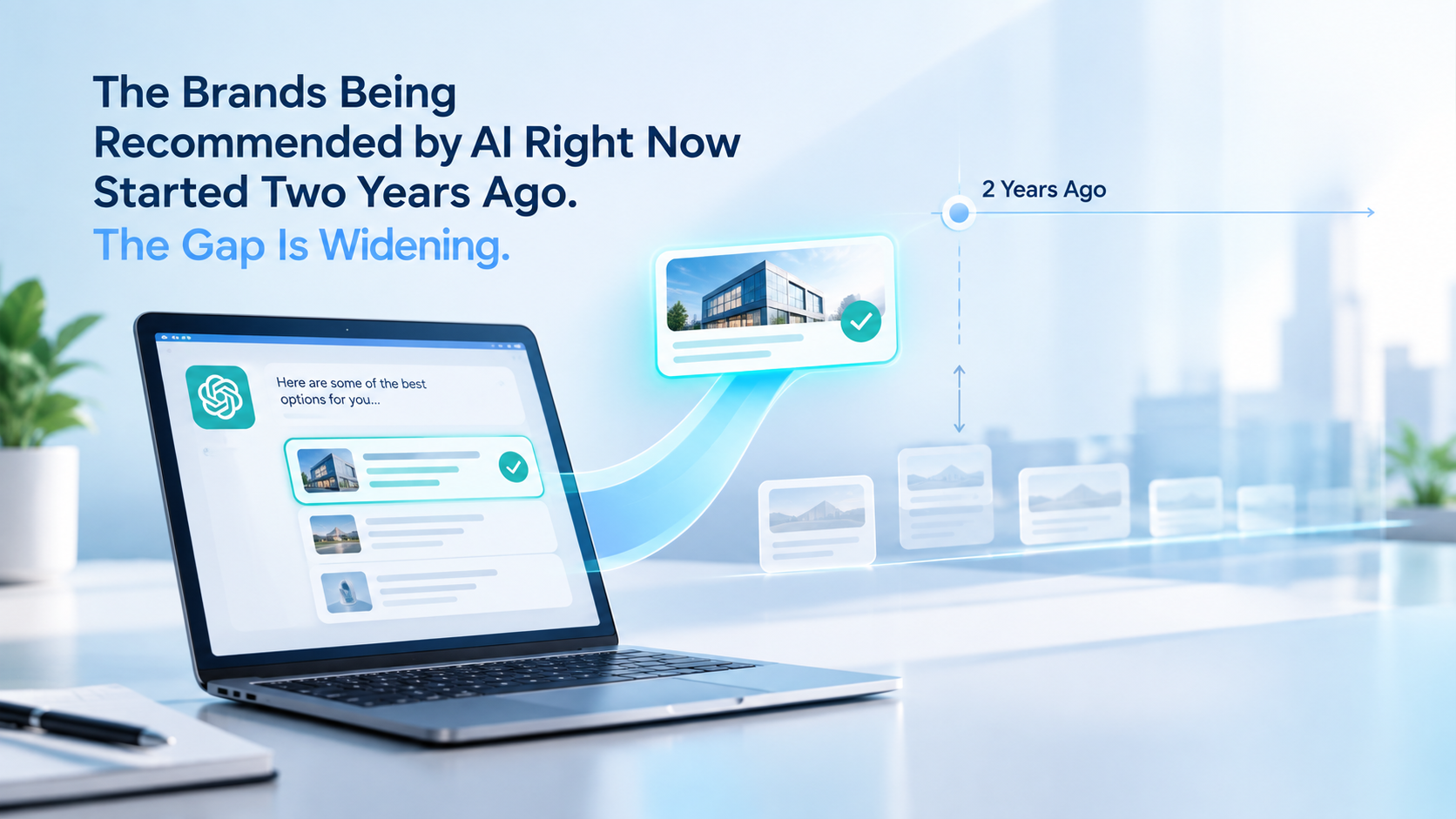
That’s where Google AI comes in — offering instant responses, curated insights, and structured information directly on the search page.
Patients now:
- Trust summarized answers over individual websites
- Prefer instant clarity instead of deep research
- Make decisions without clicking through multiple pages
This has led to the rise of zero-click searches, where users get everything they need without visiting a clinic’s website at all.
Why Patients Trust AI More Than Websites
1. Speed and Convenience
People expect immediate answers. AI-powered search results provide concise, relevant, and structured information in seconds. Traditional websites, on the other hand, often require scrolling, navigating, and interpreting content.
This is where many clinics lose attention.
2. Perceived Authority and Neutrality
AI-generated answers feel unbiased. Patients believe they are getting aggregated insights rather than promotional content. This builds a higher level of trust & credibility compared to self-written clinic pages.
Even if your content is accurate, it may not be perceived as trustworthy if it feels like marketing.
3. Voice Search is Changing Discovery
With voice search growing, patients are now asking direct questions like:
- “Best dentist near me”
- “Symptoms of gum infection”
- “Affordable skin clinic in London”
AI-driven search responds conversationally, which aligns perfectly with how users now interact with technology.
The Role of Visual Trust Signals
Images & Visual Content Matter More Than Ever
Patients trust what they can see. Strong images & visuals such as:
- Before/after results
- Clinic interiors
- Doctor profiles
- Real patient experiences
…help bridge the trust gap that AI summaries alone cannot fill.
However, if these visuals are not optimised or visible in search results, patients may never reach them.
Mobile Experience is Non-Negotiable
Mobile & Speed Directly Impact Trust
Most healthcare searches now happen on mobile devices. If your website:
- Loads slowly
- Is not mobile-friendly
- Has poor navigation
…patients leave instantly and rely on AI summaries instead.
Fast-loading, responsive websites are no longer optional — they are expected.
Google Maps is the New Front Door
Google Maps Visibility Drives Real Decisions
Patients increasingly trust local listings more than websites. Reviews, ratings, directions, and photos influence decisions instantly.
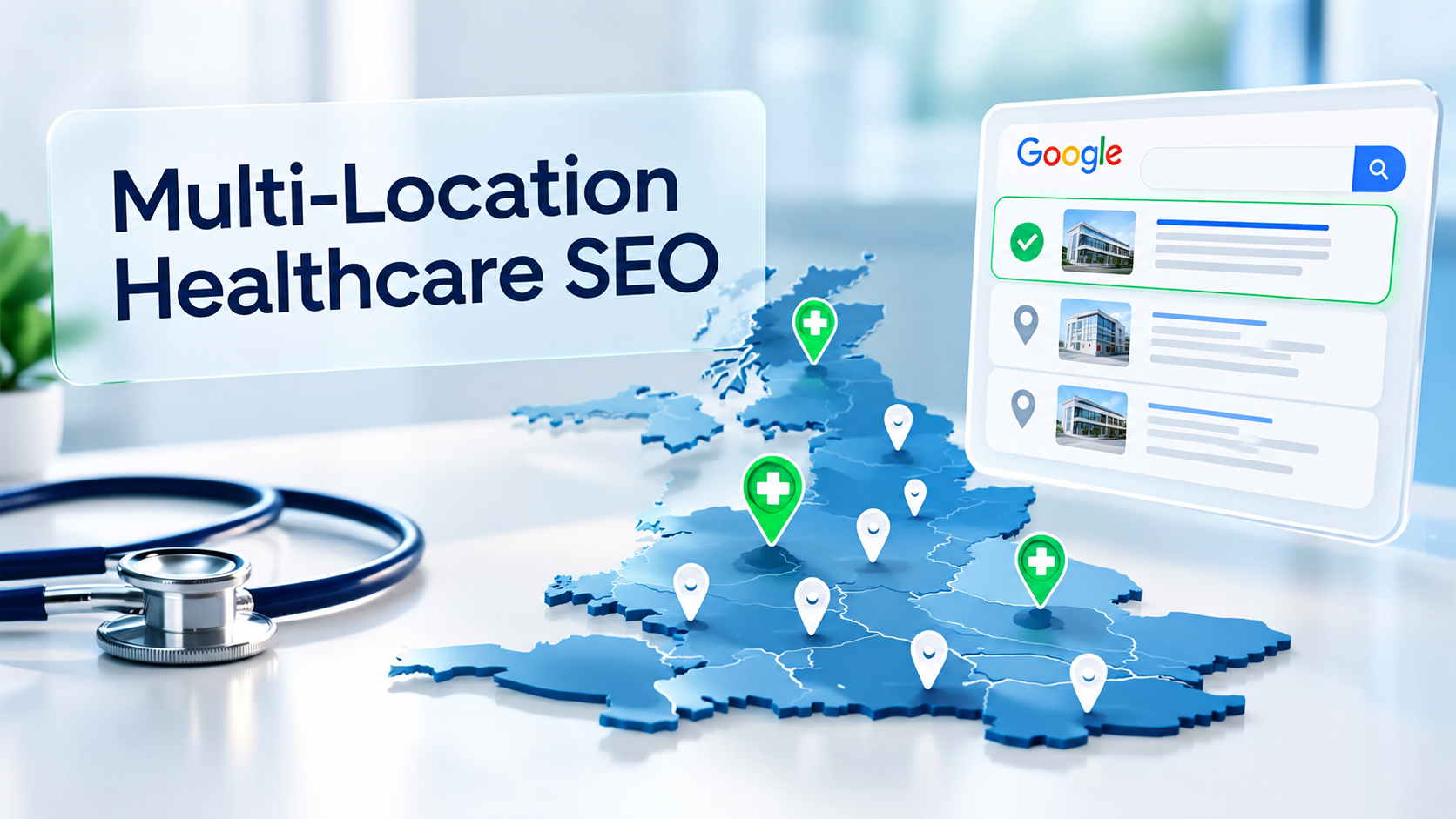
Cities like London, Manchester, Birmingham, Nottingham, Edinburgh, and Leeds are highly competitive, where patients often choose clinics directly from map results without visiting websites.
If your clinic isn’t optimised for maps, you’re invisible where it matters most.
Privacy Concerns Are Shaping Trust
Privacy & Trust Go Hand in Hand
Patients are becoming more cautious about how their data is used. AI-driven search experiences feel safer because:
- They don’t require immediate form submissions
- They avoid unnecessary data sharing
- They offer information without commitment
In contrast, websites that aggressively push forms or collect data early can reduce trust.
Where Healthcare Websites Are Falling Short
Despite having well-designed websites, many clinics fail because they:
- Focus on design over search intent
- Lack structured content for AI understanding
- Ignore local SEO signals
- Don’t align with modern search behaviour
This is why working with a healthcare seo consultant or a specialised healthcare seo expert is becoming essential rather than optional.
The Role of SEO in Rebuilding Trust
To compete in this AI-driven landscape, clinics must rethink their strategy.
A strong approach from a healthcare seo company focuses on:
- Structuring content for AI readability
- Optimising for featured snippets and summaries
- Improving local presence
- Building authority signals
This is where healthcare seo uk strategies differ — they are tailored to how patients search within the UK healthcare ecosystem.
How Clinics Can Adapt to AI-Driven Search
1. Create Answer-Focused Content
Write content that directly answers patient questions clearly and concisely.
2. Optimise for Zero-Click Visibility
Ensure your content appears in summaries, FAQs, and featured snippets.
3. Strengthen Local Presence
Focus on maps, reviews, and location-based optimisation.
4. Improve Technical Performance
Speed, mobile usability, and structured data are critical.
5. Build Trust Signals
Use real testimonials, certifications, and clear expertise indicators.
The Future: Websites Won’t Disappear — But Their Role is Changing
Websites are no longer the first point of interaction — they are now the validation layer.
Patients:
- Discover through AI
- Validate through maps and reviews
- Visit your website last (if needed)
If your digital presence doesn’t support this journey, you lose patients before they even reach you.
Final Thoughts
The rise of Google AI is not a threat — it’s a shift in how trust is built online. Clinics that adapt will gain more visibility, authority, and patient enquiries. Those that rely only on traditional websites will continue to lose attention and conversions.
In a world where patients value speed, clarity, and credibility, aligning your strategy with AI-driven search behaviour is no longer optional — it’s essential.