

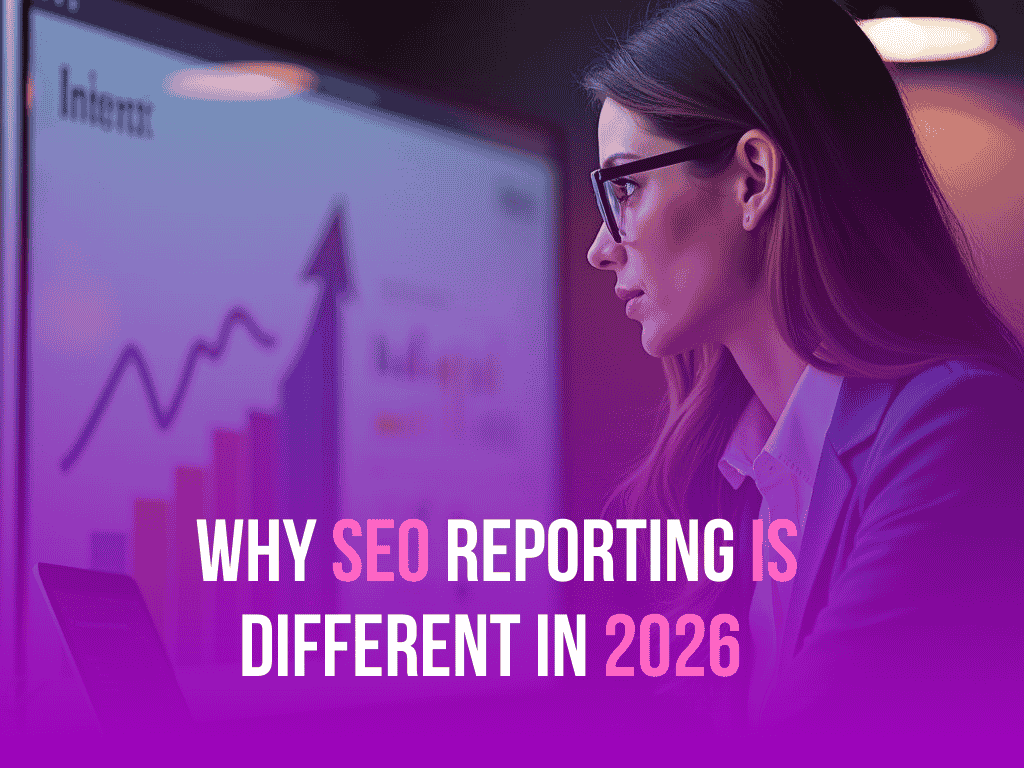

Have you ever opened a monthly performance report and felt more confused than confident, even though traffic looked “up”? Many business owners now face dashboards filled with charts, forecasts, and automated insights—but still struggle to understand what actually drove growth or decline. This gap between data and clarity is the core reason all seo company in leeds has had to rethink how reporting works in 2026.
The second challenge is trust. Automated platforms generate hundreds of metrics in seconds, yet clients still ask one question: What does this mean for my business? For all seo company in leeds, reporting is no longer about proving activity; it is about explaining outcomes, risks, and next decisions in a language stakeholders can act on.
The End of Traditional Ranking-Only Reports
For years, reports focused heavily on keyword positions and raw traffic numbers. In 2026, that approach no longer reflects how modern search ecosystems work. Rankings fluctuate by intent, device, location, and even user behavior history, making a single “position” metric misleading.
Modern reports now emphasize visibility patterns, demand capture, and content contribution rather than isolated rankings. This shift allows decision-makers to understand why performance changes happened, not just that they happened.
From Static PDFs to Living Performance Systems
Reporting has moved away from static monthly PDFs toward real-time, interactive systems. Clients now expect live access to performance indicators, alerts for sudden drops, and contextual explanations attached to every metric.
Instead of sending long documents, agencies design reporting environments where stakeholders can explore data by channel, intent, and commercial value. This approach reduces dependency on manual explanations and encourages informed collaboration.
Forecasting and Risk Reporting Take Center Stage
One of the biggest differences in 2026 reporting is predictive insight. Rather than only reviewing past performance, reports now include probability-based forecasts that highlight upcoming opportunities and risks.
For example, when algorithm volatility increases, reports flag potential exposure early. This proactive layer allows businesses to prepare resources before performance is impacted, changing reporting from reactive to strategic.
Business Metrics Matter More Than Platform Metrics
Clicks and impressions alone no longer justify investment. Reports increasingly map performance to revenue influence, lead quality, and conversion pathways.
Whether the goal is appointment bookings, inquiries, or long-term brand demand, reporting now aligns search performance directly with business outcomes. This is where a true seo expert differentiates insight from noise, translating complex data into board-level understanding.
Industry-Specific Reporting Is No Longer Optional
Generic reporting templates fail to capture unique demand cycles and compliance challenges. In 2026, reports are tailored by industry context.
For example, seo services for dentists now include patient intent timelines and local trust signals, while real estate seo services focus on seasonal demand forecasting and listing visibility decay. Similarly, lawyers seo services reporting emphasizes authority growth, case-type demand, and long conversion journeys.
Local Performance Is Measured Beyond Map Rankings
Local visibility reporting has evolved significantly. Instead of simply showing map pack positions, reports now analyze coverage gaps, competitor saturation, and user engagement signals tied to proximity and relevance.
In regions like Yorkshire, SEO In Leeds reporting integrates neighborhood-level insights, helping businesses understand how different service areas contribute to overall growth rather than treating local performance as a single metric.
AI Interpretation Layers Replace Manual Explanations
Reports in 2026 include built-in interpretation layers that explain anomalies, trends, and correlations automatically. These systems don’t just show that traffic dropped—they explain whether it was caused by demand shifts, competitive pressure, or technical limitations.
This reduces reliance on lengthy calls while improving clarity for stakeholders who want answers, not spreadsheets. Even the term SEO now appears less as a buzzword and more as a clearly defined business function within reports.
Compliance, Transparency, and Data Ethics Reporting
With increased regulation around data usage and AI-generated insights, reporting now includes transparency sections. These explain data sources, modeling assumptions, and confidence levels.
Clients can see how conclusions were derived, which builds trust and aligns expectations. Reporting is no longer just performance-focused; it is accountability-focused.
What This Means for Businesses Choosing an Agency
The evolution of reporting has changed how agencies are evaluated. Businesses no longer choose partners based solely on promises of growth, but on their ability to explain performance clearly and forecast responsibly.
For all seo company in leeds, modern reporting is not an add-on—it is the foundation of long-term partnerships. As 2026 continues to redefine digital visibility, the agencies that succeed will be those that transform complex data into confident decision-making, right through the final report you read each month.